
Home · Guides · How a wet wipe is made
Guide · How the product works
How a wet wipe is made
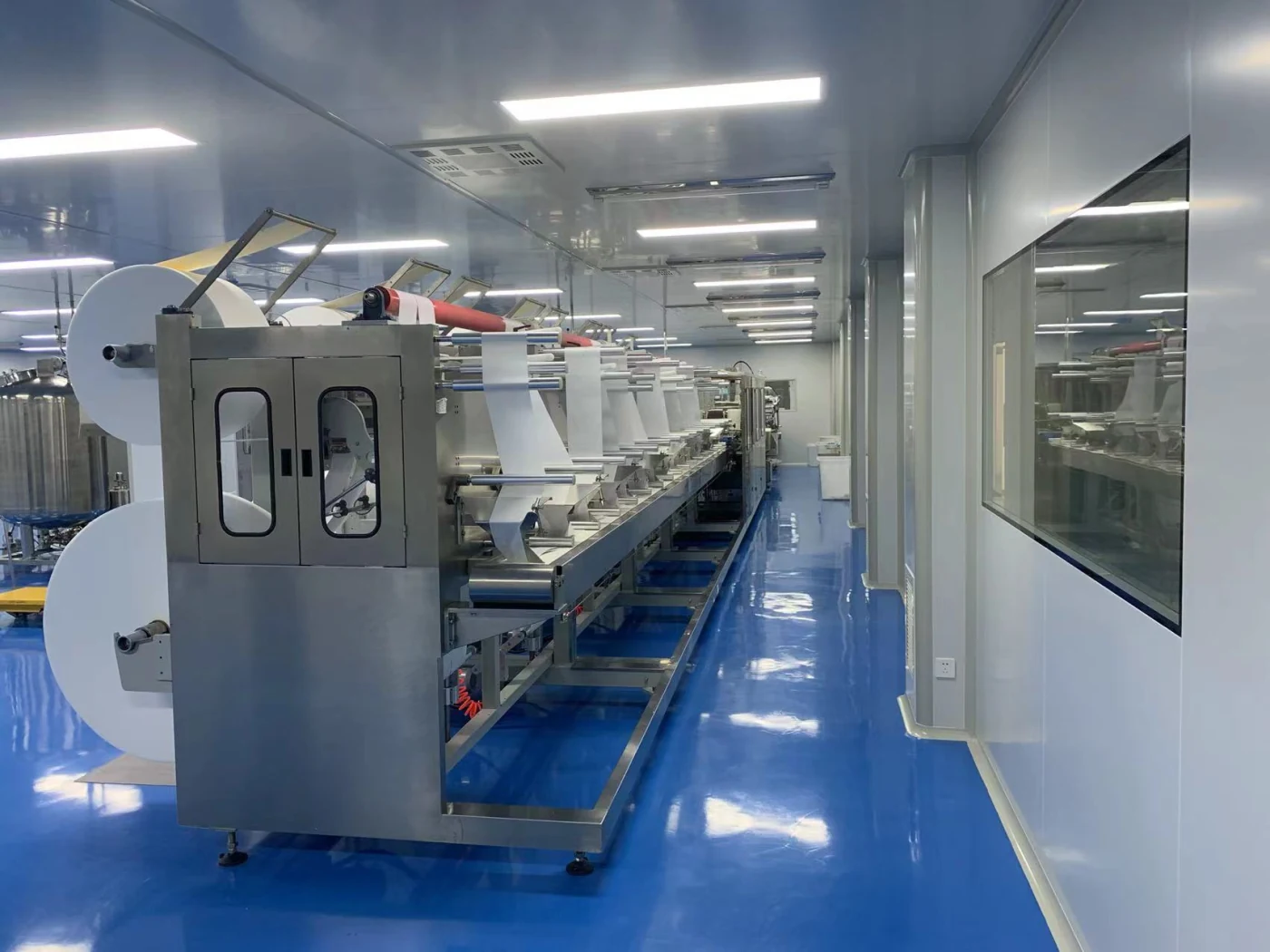
A wet wipe is three decisions that behave as one product: the sheet, the liquid it carries, and the pack that keeps the two together. Most surprises in a first project come from treating them separately — changing the liquid to fix a problem the sheet is causing, or fixing the sheet when the pack is at fault. This guide explains what each part controls, so you can tell which one to change.
Part one
The sheet: what your customer feels first
The sheet is a nonwoven fabric — fibres bonded into a web rather than woven into cloth. It sets softness, texture, how strong the wipe is when it is wet and being pulled, how much liquid it can hold, and how well it lifts soil instead of pushing it around. It also sets the cost floor of the product: two wipes with an identical liquid can sit at very different price points because of the sheet alone.
Fibre type
- Viscose and viscose blends — the common workhorse. Soft, absorbent, widely available, and the usual point of comparison when you are judging anything else.
- 100% bamboo fibre — a premium, soft option with a stronger sustainability story. For the tested bamboo-fibre material, biodegradation reached 98.6% in just 45 days; that result belongs to the tested material, not automatically to every finished wipe built from it.
- Bamboo lyocell — a cleaner-process fibre made in a closed-loop solvent system. TrustWove makes the world's only bamboo lyocell wet wipes, with the fibre, the fabric and the finished wipe connected in one chain.
- Polyester blends — added where durability or scrubbing strength matters more than softness, typically in surface and industrial products.
- Cotton — used where the fibre itself is part of the brand story, usually in personal-care products.
- Dispersible wood pulp — for flushable and moist toilet tissue, where the sheet is designed to break apart after use rather than stay intact.
Sheet weight (GSM)
GSM is grams per square metre — how much fibre is in the sheet. Higher generally means thicker, stronger, more liquid held and more cost per wipe. It compares cleanly across quotations, which is why it belongs in any specification you are comparing. It does not, on its own, tell you how the wipe feels: texture and fold do that.
Texture and fold
An embossed or textured surface changes how the wipe grips soil; a flat sheet feels smoother but works differently on a rough surface. The fold decides how the wipe comes out of the pack, whether one sheet pulls up the next, and how much usable surface the customer gets before they have to turn it over.
Part two
The liquid: what the wipe actually does
The liquid is mostly water, with a small share of other ingredients doing specific jobs: cleaning, conditioning or protecting the surface, controlling scent, and keeping the whole thing stable inside a pack that gets opened and re-closed over weeks. A wipe that "cleans better" is usually a formula difference; a wipe that "feels better" is usually a sheet or loading difference.
Liquid loading is a separate decision
How much liquid goes onto each sheet is set independently of what the liquid contains, and it is the first thing a buyer notices. Too little and the wipe reads as dry and thin and drags on the surface. Too much and it feels heavy, leaves the surface wet for longer, and the pack becomes more expensive to ship. When a sample is described as "not wet enough", the fix is almost always loading, not a new formula.
Preservation is part of the formula, not an afterthought
Because the product is water-based and used over weeks, it needs a preservation system to stay stable across its shelf life. It is developed together with the rest of the liquid, since the two influence each other — which is also why a preservation change is not a cosmetic edit late in a project.
Scent
Fragrance is a positioning decision as much as a formula one. Fragrance-free is a clear signal in baby, sensitive-skin and clinic-facing products; a light scent can carry a brand's identity in pet and household lines. Whichever you choose, judge it from a pack that has been open for a week, not from a freshly opened one — that is the version your customer lives with.
Part three
The pack: what keeps the product the same on day thirty
The pack is not decoration. It is a moisture barrier with a brand printed on it. Film structure, the seal, and the lid or reseal label decide whether the last wipe in the pack behaves like the first — and a wipe that dries out halfway through is remembered as a bad product, not a bad pack.
- Single sachet — one wipe, sealed. Used for sampling, travel, hotels, clinics, events and sets. Highest cost per wipe, best protection and presentation.
- Travel and small packs — bag, car, gym and pet-walk use, usually with a reseal label.
- Standard soft pack — the everyday retail format, with printed film and a reseal label or lid.
- Large pack with a lid — family, household, care-facility and professional use, where the pack is opened many times.
- Bundle and box — multi-packs, display boxes and gift presentation for e-commerce, club and retail channels.
Pack format also decides the artwork dimensions and the shipping cost per wipe, which is why it belongs early in a project rather than at the end.
Reading a sample
Which decision to change when something is wrong
Describe the symptom; the factory changes the cause. Proposing the fix yourself is how projects end up rebuilding a product that only needed one adjustment.
| What you notice | Where it usually comes from | What is normally adjusted |
|---|---|---|
| Feels dry, drags on the surface | Liquid loading | Raise the loading before touching the formula |
| Feels heavy, leaves the surface wet | Liquid loading | Lower the loading; check sheet weight if it persists |
| Tears when pulled or scrubbed | Sheet material or weight | Fibre blend or a higher GSM |
| Leaves residue or streaks | Formula | Cleaning and conditioning balance in the liquid |
| Pushes dirt around instead of lifting it | Sheet texture and fibre | Texture, fibre type, sometimes sheet weight |
| Scent too strong or fades quickly | Formula | Fragrance level, judged from an opened pack over time |
| Pack dries out before it is finished | Pack and reseal | Film, seal or lid, not the liquid |
| Wipes come out in clumps or singly by accident | Fold and sheet weight | Fold pattern, sometimes GSM |
Two special cases
Where the sheet is doing something unusual
Flushable and moist toilet tissue
Here the sheet is designed to come apart after use, which pulls against the strength it needs in the pack. The tested 75 GSM virgin-wood-pulp version reached 95% dispersibility, against a market average of around 90%. Wording on the pack is market-specific and confirmed per product.
Bamboo lyocell wipes
A closed-loop solvent process, and the world's only bamboo lyocell wet wipes — fibre, fabric and finished wipe connected in one chain, with traceability support confirmed by material and market.
Keep reading
Where to go next
How to start a private label wet wipes brand
The seven steps from idea to first production run, and what a factory needs from you to quote.
Private label and OEM manufacturing
How TrustWove builds a private-label wipe around a brand's specification, from first sample to production.
Quality and documentation
How reports and market documents are matched to a specific product rather than assumed from a category.
Manufacturing capabilities
What we can build in-house: materials, formula development, packaging execution and samples.
FAQ
How wet wipes are made: common questions
What is a wet wipe actually made of?
Three things that only work as a set: a nonwoven sheet, a water-based liquid held in that sheet, and a pack that keeps the liquid where it belongs. The sheet decides feel and strength, the liquid decides what the wipe does, and the pack decides whether the product still behaves the same way weeks after it was opened.
Why do two wipes with the same material feel so different?
Usually liquid loading — how much liquid each sheet carries. The same sheet and the same formula can read as dry and thin or as heavy and slow to dry depending on the loading. Sheet weight, texture and fold change the feel too, but loading is the first thing to look at.
What does GSM mean on a wet wipe specification?
Grams per square metre: how much fibre is in the sheet. A higher figure generally means a thicker, stronger sheet that holds more liquid and costs more per wipe. It is a useful comparison number between quotations, but it does not describe softness or texture on its own.
Why do wet wipes need a preservation system?
Because the product is mostly water and it is opened, touched and re-closed over weeks. The preservation system keeps the liquid stable across that period, and it is developed together with the rest of the formula rather than added at the end, since the two affect each other.
My sample is not right. What should I ask to change?
Describe the symptom rather than proposing the fix. Too dry or too wet is usually liquid loading; tearing when pulled is sheet material or weight; residue or streaking is formula; a pack that dries out is the pack or the reseal. Naming the symptom lets the factory change the one decision that causes it instead of rebuilding the product.
Contact us
Tell us what the wipe has to do
Send the product you want to build, the market it is sold into, and a reference product if you have one. We will match the sheet, the liquid and the pack to it and reply with the next practical sample step.